
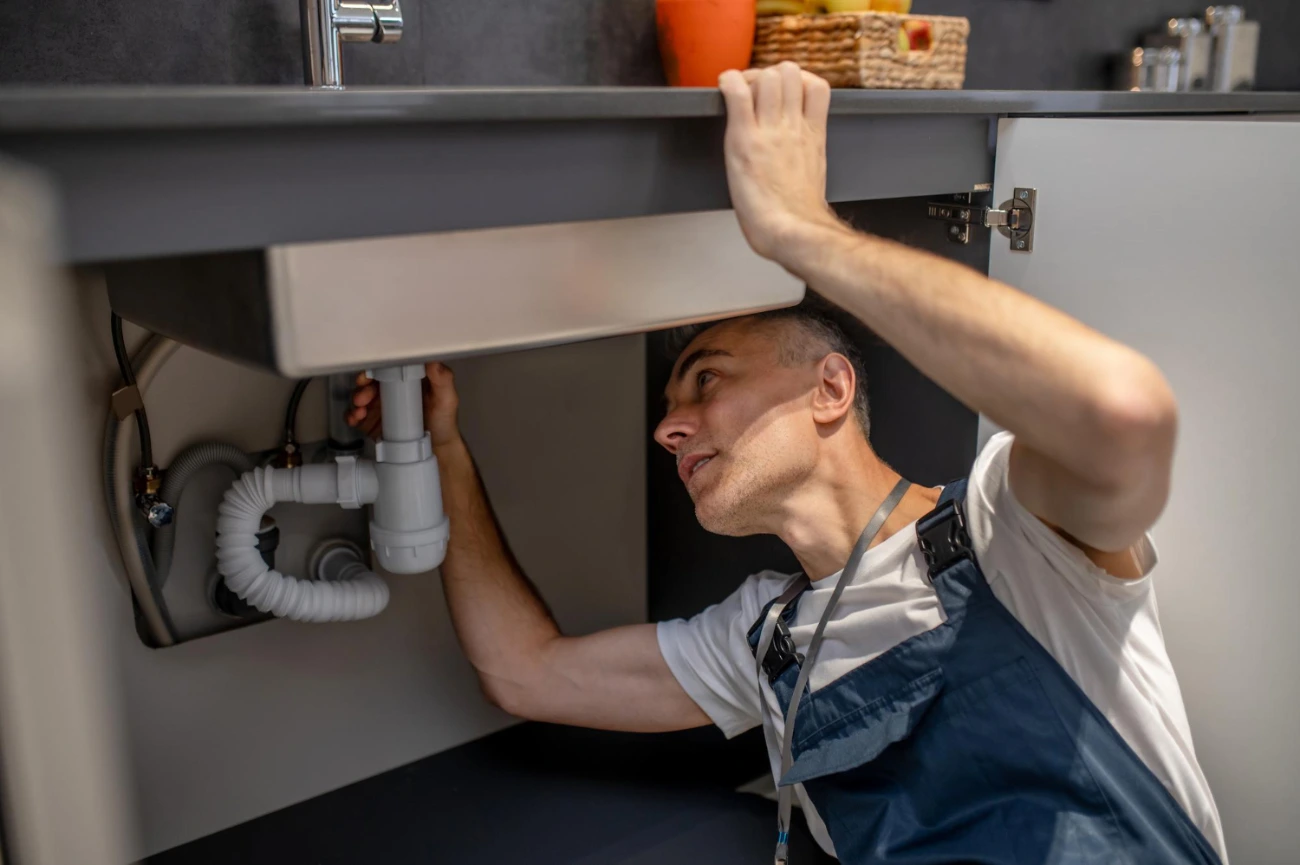
Commercial Plumbing in Abilene — Different Scale, Different Urgency
A residential plumbing failure is inconvenient. A commercial failure is a business emergency. A restaurant without a working grease trap fails its next health inspection. A medical office with a backflow failure risks regulatory action. A multi-unit property with a burst main needs multiple plumbers on-site simultaneously. We serve Abilene’s commercial sector with TSBPE commercial licensing, industrial-grade hydro-jetting equipment, and the capacity to deploy multiple technicians for large-scale emergencies.
Grease Trap Service — Restaurants and Food Service in Abilene
The City of Abilene requires grease traps for all food service establishments — they prevent fats, oils, and grease from entering the city sewer system. City of Abilene requires pumping and maintenance every 30–90 days for high-volume kitchens. Failure to maintain results in fines and potential permit revocation. We install commercial grease traps, coordinate pumping schedules with licensed haulers, and provide documentation for city compliance and health inspections. Slow kitchen drains and sewer odor from floor drains during peak service are the first signs of a trap at capacity — call before the health inspector does.
Industries We Serve in Abilene
Restaurants: grease trap install/maintenance, commercial kitchen drains, equipment connections. Medical/dental: backflow compliance, sterile water, tempering valves. Property management: multi-unit repairs, main line clearing, water heater programs, backflow testing compliance. Retail and office: maintenance agreements, fixture upgrades. Dyess AFB and government: TSBPE licensed, full insurance documentation, experience with government property requirements.
Preventive Maintenance Agreements — Stop Paying Emergency Rates
A restaurant drain backup during Friday dinner service costs far more in lost revenue than an annual maintenance agreement. Our commercial maintenance agreements include: scheduled drain camera inspection and hydro jetting, annual backflow testing and city filing, water heater and grease trap inspection, and priority emergency dispatch with no after-hours premium for contract clients. Structured to your facility type and volume.
Commercial Pricing Reference
| Commercial service call | $125–$275 |
| Grease trap inspection | $150–$350 |
| Commercial hydro jetting | $450–$950 |
| Backflow test + city filing | $75–$120/device |
| Maintenance agreements | Call for quote |
Do you handle 24/7 commercial plumbing emergencies in Abilene?+
Yes. Commercial emergency response is available 24/7 at (325) 876-4891. Businesses under a maintenance agreement receive priority dispatch with no after-hours premium. For non-contract commercial clients, we respond 24/7 with standard after-hours flat-rate pricing.
Are you licensed for commercial plumbing work in Texas?+
Yes. We hold TSBPE licensing covering both residential and commercial plumbing. We carry commercial-level general liability and workers’ compensation insurance and can provide certificates of insurance for clients requiring them — including Dyess AFB and government facility contract work.
How often does a restaurant grease trap need servicing in Abilene?+
City of Abilene requires maintenance every 30–90 days for high-volume kitchens depending on trap size and usage. Slow kitchen drains, sewer odor from floor drains, and backups during peak service are the first signs of an over-capacity trap. We can inspect your trap and recommend the right service interval for your establishment’s output.
Do you offer maintenance contracts for Abilene property managers?+
Yes. Property management contracts include priority dispatch, volume pricing, and clean maintenance documentation. Call (325) 876-4891 to discuss your portfolio size and we’ll structure an agreement appropriate for your properties.
“As a property manager with 40+ units across Abilene, I need a plumber who shows up, doesn’t upsell tenants, and documents everything cleanly. Plumbing Doctor does all three. Two years in, I’ve never had a complaint from a tenant about how they were treated. That’s genuinely rare.”
Lisa W.